Common Causes of Damage in Brick, Stone, and Block Walls
To repair brick, stone, and block walls affected by common causes of damage, local contractors can assess issues like weather, settling, or wear and provide effective restoration solutions.
Understanding the common causes of damage in brick, stone, and block walls is essential for property owners looking to maintain the integrity and appearance of their structures. Over time, factors such as moisture infiltration, freeze-thaw cycles, and settling can lead to cracks, spalling, or weakened mortar joints. Recognizing these issues early can help prevent more extensive damage and costly repairs down the line. Property owners in the area who notice signs of deterioration may find it beneficial to explore how local contractors specializing in brick, stone, and block wall repair can help address these concerns effectively.
Many of these common issues stem from environmental exposure and the natural aging process of masonry materials. For example, water intrusion can cause mortar joints to deteriorate, while shifting ground can lead to misaligned or cracked walls. Local service providers experienced in masonry repair understand how to diagnose the root causes of such damage and recommend practical solutions to restore strength and stability. Keeping informed about these common causes empowers property owners to make proactive decisions, ensuring their brick, stone, and block walls remain durable and visually appealing for years to come.
- Brick wall repair - needed when mortar deterioration or settling causes cracks and instability in brick structures, with local contractors performing tuckpointing and reinforcement.
- Stone wall repair - required when moisture infiltration or freeze-thaw cycles lead to deterioration, and service providers focus on cleaning, repointing, and stone replacement.
- Block wall repair - necessary when foundation shifting or impact damage results in cracks or bowing, with local pros providing stabilization and reinforcement solutions.
- Brick wall repair - essential after root intrusion or landscaping issues cause pressure and damage, with local contractors addressing structural integrity and aesthetic restoration.
- Stone wall repair - needed when weathering or improper installation cause loose or dislodged stones, and service providers perform re-mortaring and stone resetting.
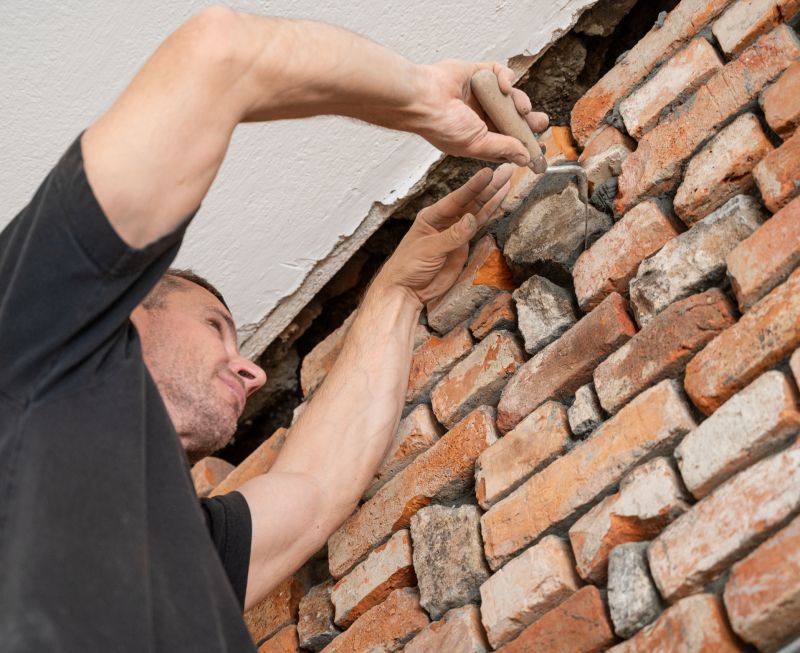
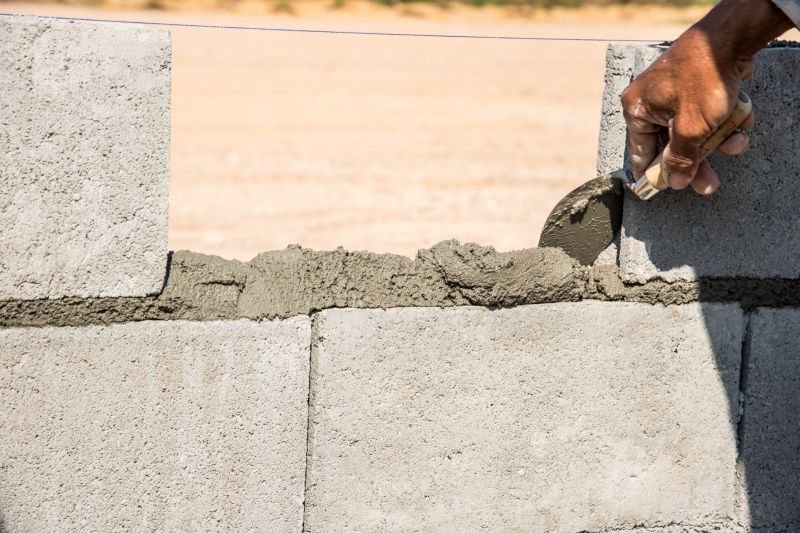
When searching for information about common causes of damage in brick, stone, and block walls, homeowners are often trying to understand why their existing masonry structures are deteriorating or developing issues. These problems can impact the stability, appearance, and longevity of walls used in both residential and commercial properties. People typically want to identify the root causes behind cracks, bulges, crumbling mortar, or water infiltration so they can plan appropriate repairs or maintenance. Recognizing these causes helps property owners decide whether repairs are urgent or if preventative measures can be taken to avoid future damage.
This topic relates closely to a variety of property types, including single-family homes, multi-unit apartment complexes, commercial buildings, and historical structures. Many of these properties feature brick, stone, or block walls as exterior facades, retaining walls, or foundational elements. Damage in these walls can stem from natural wear over time, environmental influences, or construction-related issues. Homeowners and property managers often seek guidance on how to address specific problems like mortar deterioration, efflorescence, or structural shifting, which are common concerns across different property types.
Understanding the common causes of damage in brick, stone, and block walls is essential for planning effective repairs. For example, moisture intrusion is a leading factor that can cause mortar joints to weaken, freeze-thaw cycles to crack stones, or promote mold growth. Structural movement or settling can lead to cracking or bowing, especially if the foundation shifts or if the walls are not properly supported. Additionally, poor initial construction or use of subpar materials can accelerate deterioration over time. Local contractors specializing in masonry repair are experienced in diagnosing these issues and recommending targeted solutions to restore integrity and appearance.
Homeowners considering repair projects should see the importance of working with experienced service providers who understand the specific causes behind their wall damage. Whether it’s addressing water infiltration, reinforcing foundations, or replacing deteriorated mortar, these local pros can assess the situation accurately and perform the necessary repairs. Recognizing the common causes of damage in brick, stone, and block walls helps property owners make informed decisions about maintenance and ensures that repairs are durable and effective. Connecting with local contractors can provide the expertise needed to protect and preserve masonry structures for years to come.
Masonry Restoration Projects - These projects involve repairing and restoring brick, stone, and block structures, requiring skills similar to addressing common causes of damage in these walls.
Foundation Repair Services - Foundation issues can lead to wall cracking and bulging, making foundation repair work relevant for addressing damage caused by settling or shifting.
Waterproofing and Drainage Projects - Proper waterproofing helps prevent water-related damage in brick and stone walls, aligning with the skills needed to mitigate moisture-related issues.
Retaining Wall Construction - Building and repairing retaining walls involves understanding soil pressure and drainage, key factors in preventing damage to masonry walls.
Chimney Repair Services - Chimney repairs often involve brick or stone work similar to wall repairs, especially when addressing cracks or deterioration caused by weather exposure.
Structural Reinforcement Projects - Reinforcing weakened masonry structures requires expertise in assessing damage causes and implementing stabilization techniques.
When evaluating service providers for brick, stone, and block wall repair, it’s important to consider their experience with similar projects. Local contractors who have handled issues related to common causes of damage in these types of walls are more likely to understand the specific challenges involved. Experience can reflect familiarity with different materials, common structural issues, and effective repair techniques, helping ensure that the chosen professional is well-equipped to address the root causes of damage and deliver durable results.
Clear written expectations are essential when comparing local contractors for wall repairs. A detailed scope of work, including assessments of damage, proposed solutions, and the materials to be used, helps prevent misunderstandings and ensures that both parties are aligned on the project’s goals. Well-defined expectations also provide a basis for evaluating the professionalism and thoroughness of each service provider, making it easier to identify those who prioritize transparency and clarity in their communication.
Reputable references and good communication are key indicators of a reliable contractor. Service providers with positive references from previous clients who faced similar issues can offer insights into their workmanship and customer service. Additionally, responsive and clear communication during the inquiry process suggests that the contractor values client concerns and will be accessible throughout the project. These factors contribute to a smoother repair experience and increase the likelihood of achieving a successful outcome when addressing common causes of damage in brick, stone, and block walls.
Property owners often search for common causes of damage in brick, stone, and block walls when they are planning practical projects around their homes and businesses. Local pros provide Brick, Stone, and Block Wall Repair services for everyday jobs and straightforward project options.
Understanding the common causes of damage in brick, stone, and block walls can help property owners identify early signs of trouble and seek timely repairs. Everyday situations such as ground shifting or settling can put stress on these walls, leading to cracks or bowing over time. Additionally, exposure to moisture from rain, snow, or plumbing leaks can weaken mortar joints and cause deterioration, especially if proper drainage isn't maintained. In areas with fluctuating temperatures, freeze-thaw cycles can also cause materials to expand and contract, resulting in cracks or spalling. Local contractors who specialize in brick, stone, and block wall repair are equipped to assess these issues and recommend appropriate solutions to restore the wall's stability and appearance.
Property owners often look into repair services after noticing visible damage or when deterioration begins to affect the structural integrity of their walls. Common issues like cracked or crumbling mortar, loose or displaced bricks and stones, and water infiltration are signs that damage has occurred. These problems can stem from poor initial construction, natural wear and tear, or environmental factors such as heavy rainfall or ground movement. Engaging experienced service providers can help address these concerns before they worsen, ensuring that the walls remain safe and functional. Local pros can provide the necessary expertise to evaluate the damage and carry out repairs that extend the lifespan of brick, stone, and block walls.
What are common causes of damage in brick, stone, and block walls? Common causes include moisture infiltration, freeze-thaw cycles, structural settling, and impact damage, which can weaken the wall's integrity over time. Local contractors can assess these issues and recommend appropriate repairs to restore stability.
How does moisture affect brick, stone, and block walls? Excess moisture can lead to deterioration such as cracking, spalling, or mortar erosion. Service providers experienced in wall repair can identify sources of moisture and implement solutions to prevent further damage.
Can temperature changes cause damage to these walls? Yes, freeze-thaw cycles can cause expansion and contraction, leading to cracking and weakening of the materials. Local pros can perform repairs to address existing damage and help prevent future issues caused by temperature fluctuations.
What role does structural settling play in damaging brick, stone, and block walls? Structural settling can cause misalignment, cracking, and instability in walls. Skilled repair contractors can evaluate the foundation and structural integrity to perform necessary stabilization work.
How can impact or accidental damage harm these walls? Impact from vehicles, falling objects, or other accidents can cause cracks, chips, or dislodgement. Local service providers can repair and reinforce damaged areas to restore the wall's strength and appearance.
Water intrusion issues - property owners can identify areas where water may seep into walls and seek waterproofing or sealing services from local contractors to prevent damage.
Poor drainage around the property - ensuring proper grading and drainage systems can reduce water buildup that causes cracks and deterioration, with local pros offering repair solutions.
Freeze-thaw cycles - understanding how temperature changes affect masonry helps owners plan for repairs or reinforcement from local service providers to minimize cracking.
Structural movement or settling - recognizing signs of shifting foundations can lead to timely stabilization or reinforcement work performed by local contractors to protect wall integrity.
If you are thinking about common causes of damage in brick, stone, and block walls for a property, this guide is meant to help you understand this topic, the typical project types, and how different options might fit your plans.
When you are ready, you can use the quote form on this page to share a few details about your project. From there, local pros can review the basics and follow up with options that match what you have in mind.